How Long to Bake a Potato in the Oven?
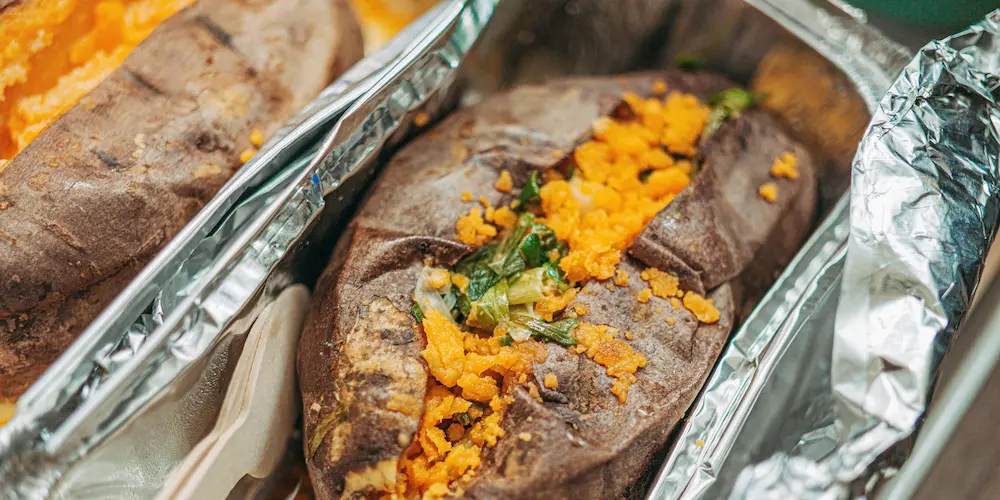
A classic baked potato — crisp, salty skin outside and a fluffy interior inside — takes about 45 to 60 minutes in a hot oven, depending on the size of the potato and exactly how hot you go. Set the timer on this page to 50 minutes to start, the standard middle-of-the-road time for a medium potato, and adjust from there once you know your oven. If you're actually boiling potatoes rather than baking them whole, this isn't the right page — see how long to boil potatoes instead.

A baked potato is also a natural side for classic oven mains — chicken breast and ribs both pair well with it, and all three can often share the same oven if you plan the timing right. Below you'll find times by temperature (for a whole potato and for wedges, which bake on a different schedule), why skipping foil is the clear right call here, why piercing the skin actually helps rather than hurts, which variety to reach for, and a microwave-then-oven shortcut worth knowing about.
Baking Time by Oven Temperature
Temperature and time trade off directly: go hotter and the potato finishes faster with a crisper skin, go a bit cooler and it takes longer but is more forgiving if you're multitasking in the kitchen.
| Oven Temperature | Baking Time |
|---|---|
| 400°F (205°C) | 45–60 minutes |
| 425°F (220°C) | 45–55 minutes |
Once you've picked a temperature, switch the timer on this page to match the row above and let the oven do the rest — a medium potato at 400°F (205°C) is the safe default if you're not sure which way to go.
Baking Potato Wedges
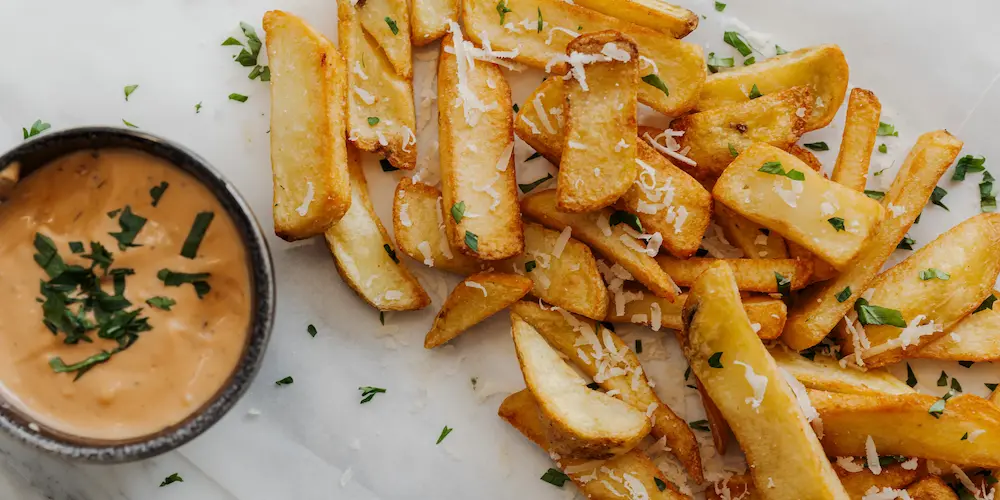
Wedges are just as popular as a whole baked potato, and since cutting one open exposes far more surface area, they cook on a different schedule entirely. Cut each potato lengthwise into 6–8 wedges, toss them with oil, salt, and whatever seasoning you like, and spread them in a single layer on a baking sheet — crowding them steams the wedges instead of browning them, the same overcrowding problem you'd run into roasting any vegetable.
| Oven Temperature | Baking Time |
|---|---|
| 425°F (220°C) | 25–30 minutes, flipping halfway |
| 400°F (205°C) | 30–35 minutes, flipping halfway |
Flip the wedges once, about halfway through, so both cut sides get a chance to brown — left untouched, only the side resting on the pan actually crisps up. They're done when a fork slides through the flesh with no resistance and the edges look deeply golden.
Skip the Foil for Crispy Skin
Skip the foil if you want the crispy skin most people picture when they think "baked potato." Foil traps steam against the skin as it bakes, and the result is soft, damp, and closer to steamed than baked. Leave the potato uncovered instead and the surface moisture can actually evaporate, so the skin dries out and crisps up in the direct heat.
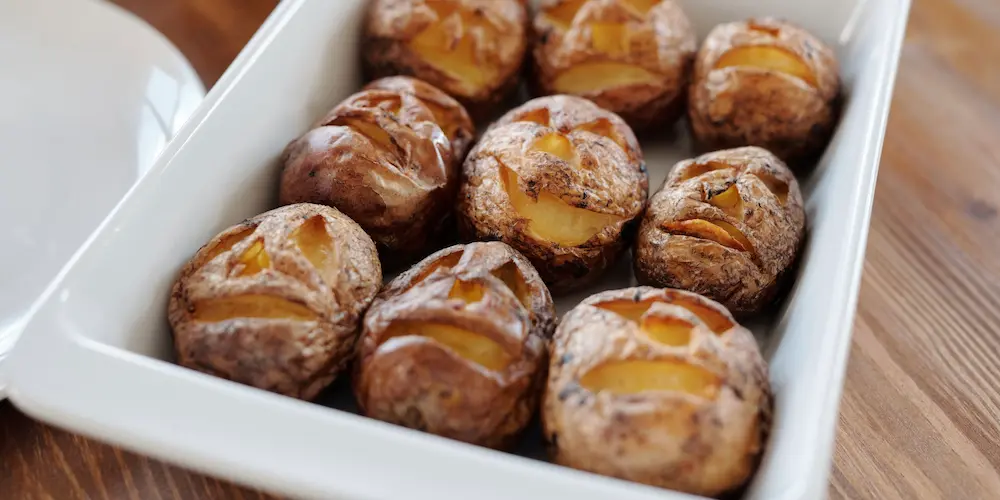
Rub the skin with oil and a generous pinch of salt before it goes in — that's the standard technique for a crisp, well-seasoned result, and it costs you nothing in extra time.
Pierce It With a Fork First
Piercing it 4 to 5 times with a fork before it goes in the oven is genuinely worth doing: it gives the steam building up inside somewhere to escape, instead of the pressure splitting the skin open messily partway through baking.
Best Potato Variety for Baking
Reach for a starchy variety — Russet or Idaho potatoes are the standard choice, and for good reason. Their high starch content and low moisture bake up into that light, fluffy interior that defines a proper baked potato. Waxy varieties like Yukon Gold or red potatoes hold their shape well and are excellent boiled or roasted, but baked whole they come out denser and noticeably less fluffy — not the texture most people are actually after when they set out to bake a potato.
A Faster Route: Microwave, Then Oven
When you're short on time, microwave the potato on high for about 5 minutes first, then transfer it to a hot oven for 15 to 20 minutes to finish. The microwave gets the interior most of the way cooked in a fraction of the time, and the short oven finish still gives you a genuinely crisp, oil-and-salt skin — you're not settling for a worse result, just getting there faster.

Fact
Potatoes have a claim to fame beyond the kitchen: in 1995, NASA and the University of Wisconsin grew potatoes aboard the Space Shuttle, making them the first vegetable ever grown in space. Idaho's Russet later became the country's standard baking potato largely because its high starch content and thick skin hold up so well to hot, dry oven heat.
Useful Tips for Baking a Potato
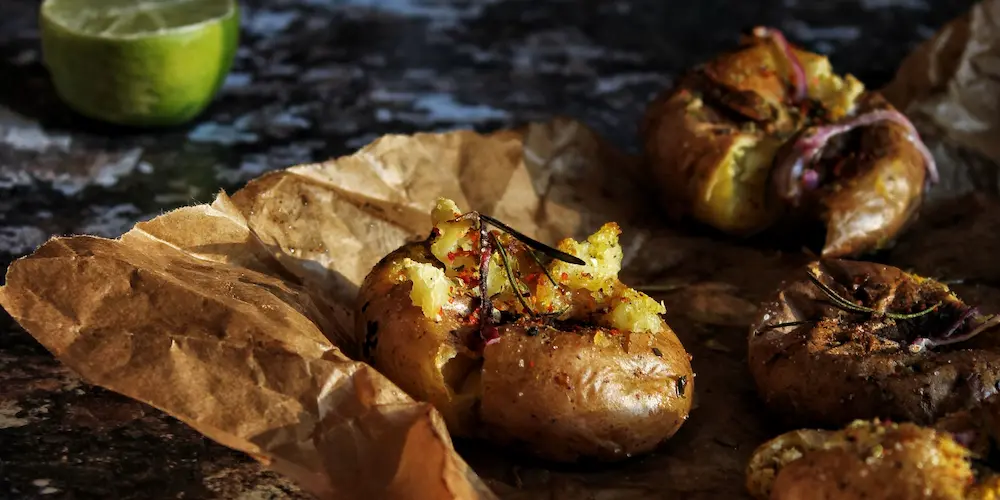
A few practical details make baked potatoes easier to plan around and harder to get wrong.
- Checking doneness: a knife or skewer should slide into the center with no resistance at all, and the potato should feel soft when you give it a gentle squeeze with an oven mitt. If it still feels firm, give it another 5–10 minutes.
- Plan on one medium potato per person as a standard side-dish portion — size up for bigger appetites.
- Storing leftovers: keep baked potatoes in an airtight container in the fridge for about 3–5 days. They're not a great candidate for the freezer on their own — the texture turns grainy and watery once thawed, so freezing works far better for mashed or twice-baked leftovers than for a whole baked potato.
- Reheating without drying it out: wrap it in foil and warm it in a low oven around 300°F (150°C), or microwave it in short bursts wrapped in a damp paper towel. Either way, low and slow beats a single long blast at high heat.
Frequently Asked Questions
Here are quick answers to the questions that come up most often when baking a potato.
Should you wrap a potato in foil before baking it?
No — skipping foil is the better choice if you want crispy skin. Foil traps steam against the surface and gives you a softer, steamed-tasting skin instead of the dry, crisp result most people want, so rub the skin with oil and salt and bake it uncovered.
Do you need to pierce a potato with a fork before baking?
Yes, and it's genuinely worth doing. Piercing it 4–5 times gives built-up steam an escape route instead of splitting the skin open messily in the oven.
Which potato variety is best for baking?
Starchy varieties like Russet or Idaho potatoes give you the light, fluffy interior that defines a classic baked potato. Waxy varieties such as Yukon Gold or red potatoes hold their shape well but come out denser and less fluffy when baked whole.
How long do you bake a potato, and at what temperature?
At 400°F (205°C), a medium potato takes about 45 to 60 minutes. Going hotter, to 425°F (220°C), shortens that to roughly 45 to 55 minutes and gives you a slightly crisper skin.
Can you speed up baking a potato in the microwave first?
Yes — microwave it on high for about 5 minutes, then finish it in a hot oven for 15 to 20 minutes. You still get a properly crisp, seasoned skin, just noticeably faster than a full oven bake alone.
How long do you bake potato wedges?
At 425°F (220°C), wedges take about 25 to 30 minutes; at 400°F (205°C), closer to 30 to 35 minutes. Either way, flip them once about halfway through so both cut sides brown evenly.