How long to cook asparagus: perfect times for every method
Asparagus can be prepared in many ways, and the cooking time decides whether it comes out tender and bright or limp and dull. Whether you're roasting, grilling, or air frying it, a minute or two makes a noticeable difference.
For more vegetable sides, see how long to boil potatoes and how long to boil mushrooms.
This article gives the cooking time for roasting at 425°F, grilling, steaming, boiling, microwaving, and air frying, along with simple ways to season asparagus.
Choosing and preparing asparagus: tips for best results
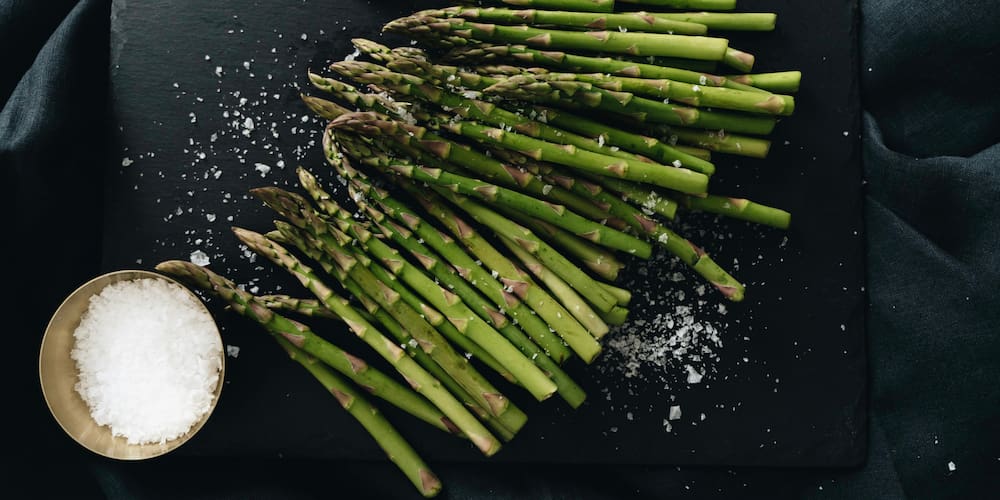
When selecting asparagus, the key is to look for fresh, high-quality spears. Choose ones that are firm, bright green, and have tightly closed tips. The stalks should be smooth and not too woody at the ends. Avoid spears that appear limp, have soft spots, or dry, cracked bottoms. Both thick and thin spears have their uses—thicker stalks are great for grilling and roasting, while thinner ones are perfect for steaming or sautéing.
Proper preparation ensures your asparagus cooks evenly and tastes its best. Start by rinsing the spears thoroughly under cold water to remove dirt or grit. Next, trim the tough, woody ends by either snapping them off at their natural breaking point or cutting about an inch from the bottom. For very thick stalks, consider peeling the lower portion to make them tender and consistent in texture.
- Keep asparagus fresh by storing it upright in a glass of water or wrapping the ends in a damp paper towel and placing it in the fridge.
- To revive slightly wilted asparagus, soak the spears in ice water for 15-20 minutes before cooking.
- For added flavor, toss the spears with olive oil, garlic, and a sprinkle of sea salt before cooking.
- Pre-trim and prepare asparagus in advance to save time when you're ready to cook.
Top cooking methods for asparagus
Each cooking method gives asparagus a different flavor and texture, from the char of the grill to the clean taste of steaming.
Roasting
Roasting asparagus at 425°F (220°C) for 10-15 minutes enhances its natural sweetness and adds a delightful crispness. Toss the spears with olive oil, salt, and pepper, then spread them evenly on a baking sheet. This method yields a caramelized exterior with a tender interior.
Steaming
Steaming preserves the vibrant color and nutrients of asparagus. Place the spears in a steamer basket over boiling water, cover, and steam for 4-6 minutes until tender-crisp. This gentle cooking method maintains the vegetable's delicate flavor and texture.
Grilling
Grilling imparts a smoky flavor to asparagus. Preheat the grill to medium-high heat, brush the spears with olive oil, and season as desired. Grill for 5-7 minutes, turning occasionally, until charred and tender. This technique is perfect for outdoor cooking and adds a rustic touch to your meal.
Boiling
Boiling is a quick method to cook asparagus. Bring a pot of salted water to a boil, add the spears, and cook for 2-4 minutes, depending on thickness. To retain their bright green color and prevent overcooking, immediately transfer the asparagus to an ice bath after boiling.
Microwaving
Microwaving is a convenient way to cook asparagus, especially when short on time. Place the spears in a microwave-safe dish with 2-3 tablespoons of water, cover with a microwave-safe lid or plastic wrap (leaving a small vent), and microwave on high for 3-5 minutes until tender. This method effectively steams the asparagus, preserving its flavor and nutrients.
Air frying
Air frying produces crispy asparagus with minimal oil. Preheat the air fryer to 400°F (200°C), toss the spears with a light coating of olive oil and seasonings, and cook for 7-9 minutes, shaking the basket halfway through. This technique offers a healthier alternative to traditional frying while delivering a satisfying crunch.
Cooking time guide for asparagus
Overcooking makes asparagus mushy, while undercooking leaves it tough. Here are the recommended times for each method.
| Cooking Method | Cooking Time |
|---|---|
| Roasting at 425°F (220°C) | 10-15 minutes |
| Steaming | 4-6 minutes |
| Grilling | 5-7 minutes |
| Boiling | 2-4 minutes |
| Microwaving | 3-5 minutes |
| Air Frying at 400°F (200°C) | 7-9 minutes |
To keep track of the time, set the timer on this page to match your chosen method.
Useful tips and recommendations for cooking asparagus

To ensure your asparagus is perfectly cooked, test its doneness by piercing the thickest part of the spear with a fork; it should be tender yet slightly firm. Overcooking can lead to a mushy texture, so monitor closely during the final minutes of cooking. Enhance the flavor of your asparagus by tossing it with a squeeze of fresh lemon juice or a sprinkle of grated Parmesan cheese just before serving. These additions complement the vegetable's natural taste and add a delightful twist to your dish. For optimal freshness, store asparagus upright in a jar with about an inch of water at the bottom, covering the tips loosely with a plastic bag. This method helps maintain its crispness and extends shelf life.
- When peeling thicker asparagus stalks, use a vegetable peeler to remove the tough outer layer, starting just below the tip and moving downward.
- To prevent overcooking, immediately transfer boiled or steamed asparagus to an ice bath to halt the cooking process and preserve its vibrant color.
- For a smoky flavor, consider grilling asparagus over medium-high heat for 5-7 minutes, turning occasionally for even charring.
- If using frozen asparagus, thaw it completely and pat dry before cooking to avoid excess moisture affecting the texture.
- Experiment with different seasonings like garlic, balsamic vinegar, or toasted nuts to add variety to your asparagus dishes.
Fact
Did you know that asparagus has been cultivated for over 2,500 years? It was highly prized in ancient Egypt and Rome for its unique flavor and medicinal properties.
FAQ: All about cooking asparagus
Answers to the most common questions about cooking asparagus.
How do I know when asparagus is done cooking?
Asparagus is done when it is bright green and tender-crisp. You can test this by piercing the thickest part of the spear with a fork; it should go in easily but still meet slight resistance.
Should I peel asparagus before cooking?
Peeling is generally unnecessary for thin asparagus. However, for thicker stalks, peeling the lower portion can remove the tough outer layer, resulting in a more tender texture.
Can I cook asparagus without oil?
Yes, steaming or boiling asparagus requires no oil and preserves its natural flavor. For roasting or grilling, a light coating of oil helps prevent drying out and enhances flavor.
How do I store fresh asparagus?
Store asparagus upright in a jar with about an inch of water at the bottom, covering the tips loosely with a plastic bag. This method helps maintain freshness and crispness.
Is it better to use thick or thin asparagus?
Neither is better overall; it depends on how you cook them. Thin spears cook quickly and are ideal for steaming or sautéing, while thicker spears are well-suited for grilling or roasting due to their robust texture.
Can I eat asparagus raw?
Yes, asparagus can be eaten raw. Thinly sliced or shaved raw asparagus adds a crisp texture and fresh flavor to salads and other dishes.