How Long to Cook Ribs in the Oven?
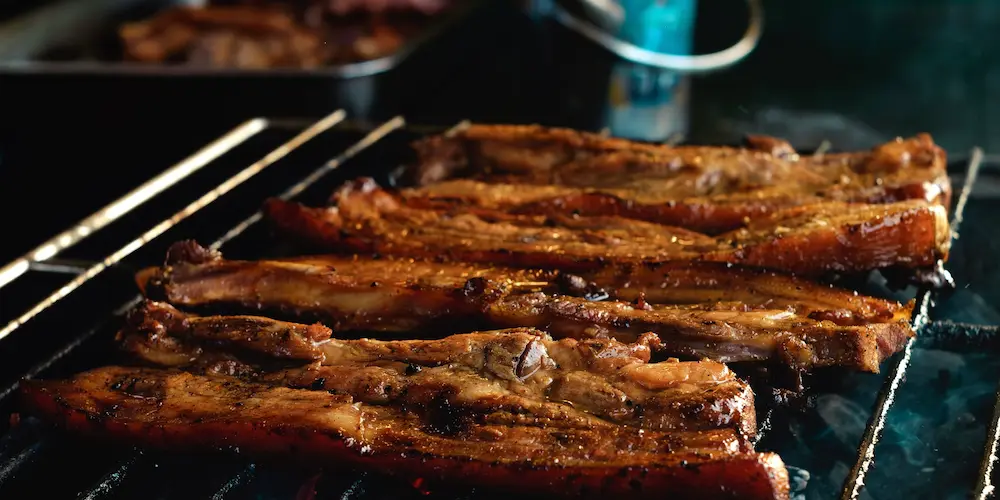
Good ribs come from patience, not a fixed number of minutes. Cooked low and slow at 225–250°F (107–121°C), a rack needs anywhere from three to six hours depending on which cut you're working with, and the exact type matters more than most recipes let on. Find your rib type below, set the timer on this page to the matching value, and let the oven do the rest while the connective tissue slowly breaks down into something tender.
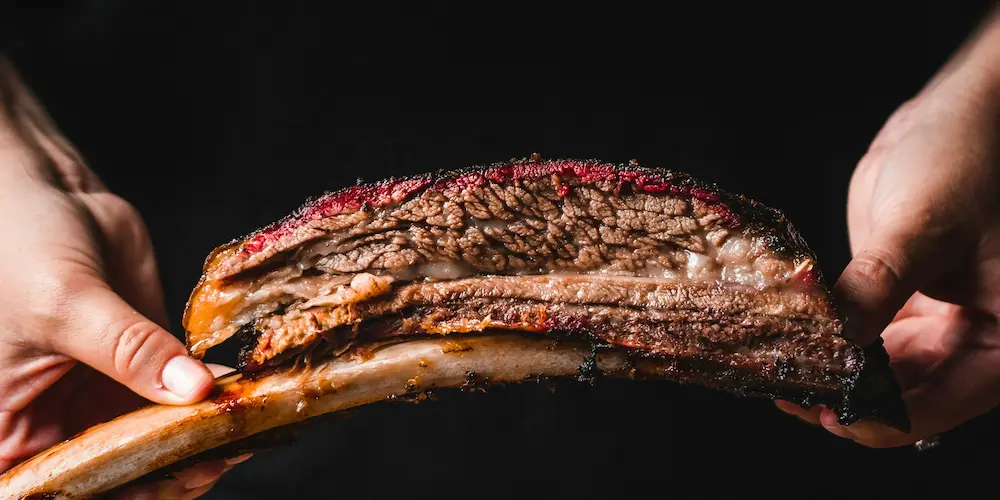
Ribs are a natural centerpiece for a backyard-style spread — round it out with how long to cook potatoes or a pot of boiled corn on the cob, both classic sides that can cook alongside the ribs without competing for oven space.
This guide covers baby back, spare, and St. Louis cut ribs baked in the oven, plus the membrane-removal step and the foil-wrap technique that most low-and-slow recipes depend on.
Cook Times by Rib Type (225–250°F/107–121°C)
The three most common cuts of pork ribs don't cook in the same amount of time, even at the same oven temperature. Here's how they compare:
| Rib Type | Oven Temperature | Cook Time |
|---|---|---|
| Baby back ribs | 225–250°F (107–121°C) | 3–4 hours |
| Spare ribs | 225–250°F (107–121°C) | 5–6 hours |
| St. Louis cut | 225°F (107°C) | 4.5–5.5 hours |
| St. Louis cut (faster method) | 275°F (135°C) | About 90 minutes |
Once you know which row applies to your ribs, switch the timer above to that duration so it can run in the background and alert you when it's time to check on them.
Notice that St. Louis cut finishes faster than spare ribs even though it's cut from the very same slab. That's because St. Louis style trims away the rib tips and cartilage, leaving a flatter, more evenly-shaped rack that cooks through more consistently than a full, irregular spare rib rack — not because the meat itself is any more tender.
Servings: How Many Racks You Need
A standard rack holds 10–13 ribs and weighs roughly 1.5–2.5kg (3.3–5.5 lb), depending on the type. As a rough guide, plan on 2–3 ribs per person if ribs are one dish in a larger spread with sides, or up to half a rack per person if ribs are the main event and the sides are light.
Remove the Membrane First
On the bone side of every rack sits a thin, tough sheet of connective tissue called the membrane, or silverskin. It doesn't break down in the oven the way the meat's own fat and collagen do — instead it stays rubbery and chewy, and while it's in place it also blocks rub, marinade, and smoke flavor from ever reaching the meat from that side. Skipping this step is one of the most common reasons home-cooked ribs come out tasting flat underneath.
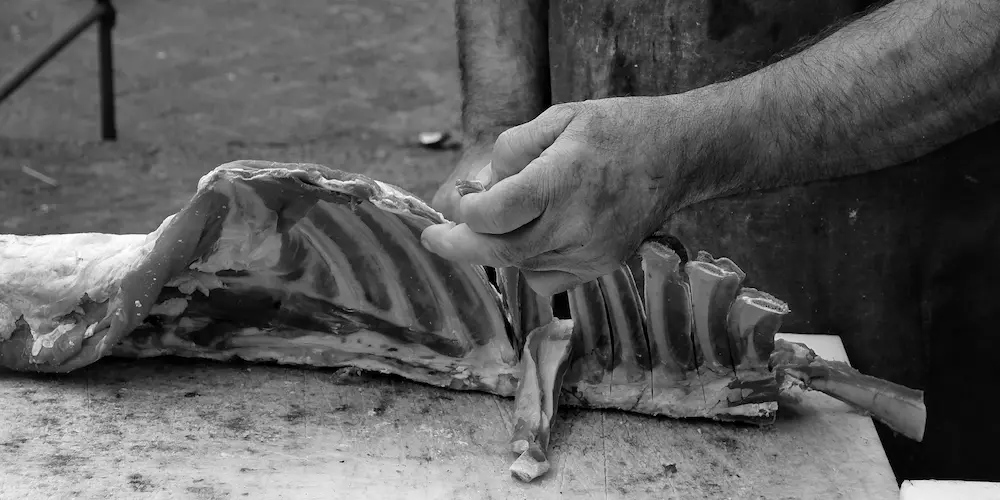
To remove it, flip the rack bone-side up. Slide a butter knife or the handle of a spoon under the membrane at one corner, usually near the end of a bone, to loosen an edge. Grip that loosened edge with a paper towel for traction — the membrane is slick and hard to hold with bare fingers — and pull it away from the rack in one steady motion. It won't always come off in a single clean sheet; sometimes it tears and comes away in two or three pieces instead, and that's perfectly normal.
What "Done" Actually Means for Ribs
Doneness for ribs isn't really about food safety — it's about texture. Pork's minimum safe temperature is 145°F (63°C), and ribs pulled at that point are already technically safe to eat, but they're still tough, with connective tissue that hasn't had time to soften. The real target for tender ribs is much higher: 195–203°F (91–95°C), measured with a probe inserted into the meat between two bones, not touching the bone itself.
One popular idea deserves pushback here: ribs "falling off the bone" is not the sign of perfectly cooked ribs. It's actually a sign of slightly overcooked ribs, typically pushed past around 205°F (96°C), where the meat has broken down so far that it can no longer hold its own structure. Competition pitmasters aim for the opposite — meat that pulls cleanly away from the bone with a little resistance, sometimes called a "clean bite," rather than meat that disintegrates the moment you touch it.
If you'd rather not rely on a thermometer, two simple tests work well. With the bend test, lift one end of the rack with tongs and let it hang — a done rack sags into a gentle arc and the surface cracks slightly without the meat itself tearing. With the toothpick test, slide a toothpick in between two bones; it should meet no resistance at all, sliding through about as easily as it would into softened butter.
Useful Tips for Baking Ribs
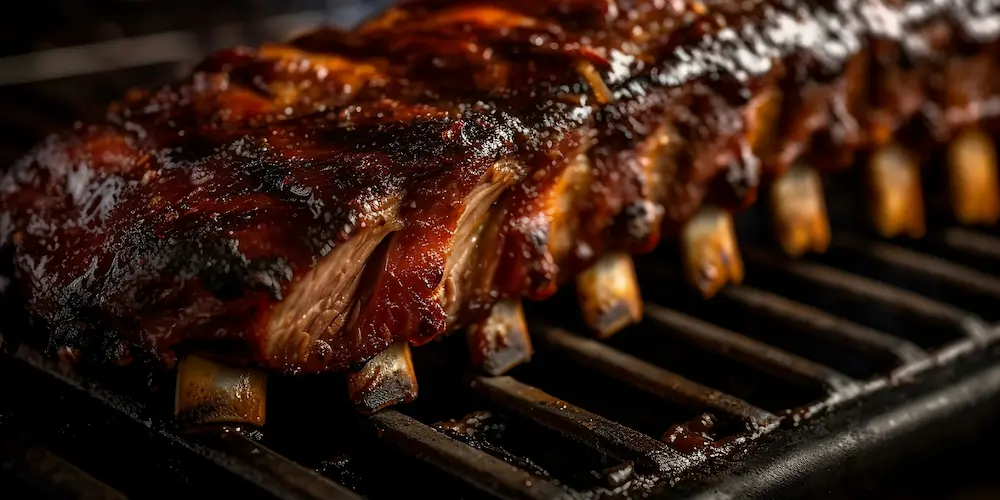
A few habits make the difference between good ribs and great ones, and most of them come down to patience rather than technique.
- Season ahead of time. Apply a dry rub at least an hour before cooking, or ideally the night before and left uncovered in the fridge — this gives the salt time to draw moisture out and back into the meat, seasoning it more deeply than a rub applied right before baking.
- Keep the oven low and steady. Resist the urge to raise the temperature to speed things up unless you're deliberately using the faster 275°F (135°C) method — a fluctuating or overly hot oven dries the surface before the connective tissue inside has time to soften.
- Rest before slicing. Give the rack 10–15 minutes out of the oven before cutting between the bones; this lets the juices settle back into the meat instead of running out onto the cutting board.
- Storing and reheating leftovers: cooked ribs keep in an airtight container in the fridge for about 3–4 days, and they freeze well for up to about 3 months if wrapped tightly. To reheat without drying them out, wrap them in foil with a splash of broth or apple juice and warm them in a low oven around 250°F (120°C) until heated through, rather than blasting them with high heat.
Fact
Ribs don't need to hit any special "safe" temperature beyond pork's usual 145°F (63°C) — the reason they're cooked so much further, to 195–203°F (91–95°C), is purely about texture, giving tough connective tissue enough time to melt into tenderness.
The "3-2-1" Method (Texas Crutch)
If you've searched for rib recipes before, you've likely come across the "3-2-1" method, built around a foil-wrapping technique barbecue cooks call the Texas Crutch. It breaks the low-and-slow bake at 225°F (107°C) into three stages: 3 hours unwrapped directly on the rack, then 2 hours wrapped tightly in foil, then 1 more hour unwrapped again with sauce brushed on to let the surface set into a sticky bark.
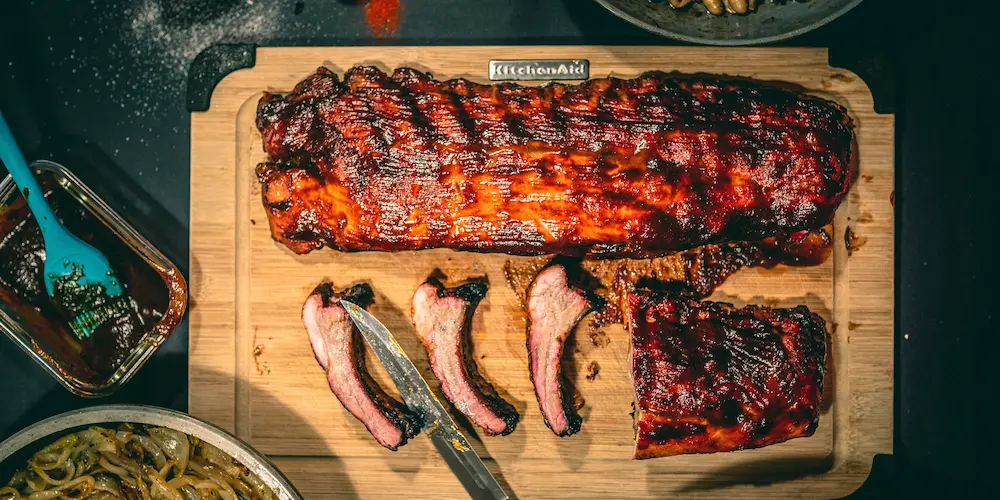
The foil stage is where the technique gets its name — wrapping the ribs traps steam against the meat, which speeds up how fast the connective tissue breaks down and locks in moisture that would otherwise evaporate into the oven. If you're following this sequence, switch the timer above to each stage in turn: 3 hours, then reset it for 2 hours, then reset it once more for the final hour. Keep in mind this 3-2-1 timing is built for the low-and-slow 225°F (107°C) approach specifically — it isn't meant to be layered onto the faster 275°F (135°C) method, which is already quick enough on its own.
Frequently Asked Questions
Here are quick answers to the questions that come up most often when cooking ribs in the oven.
Do you have to remove the membrane from ribs, and what happens if you don't?
Removing it isn't optional if you want good results. Left in place, the membrane blocks rub, marinade, and smoke flavor from reaching the meat, and instead of softening in the oven it stays tough and rubbery, giving the underside of the rack a noticeably worse texture.
What is the 3-2-1 method, and do you need it in the oven?
It's a foil-wrapping technique known as the Texas Crutch, split into 3 hours unwrapped, 2 hours wrapped in foil, and 1 hour unwrapped again with sauce. It works well in the oven for the low-and-slow 225°F (107°C) method, though it isn't necessary if you're using the faster 275°F (135°C) approach.
How is the time different for baby back vs. spare ribs?
Baby back ribs cook in about 3–4 hours at 225–250°F (107–121°C), while spare ribs need closer to 5–6 hours at the same temperature, since they come from a larger, meatier section of the rib cage.
Should ribs fall apart when they're done?
No — meat that falls off the bone on its own is usually a sign of slightly overcooked ribs, pushed past around 205°F (96°C). Properly cooked ribs pull cleanly away from the bone with a little resistance, a texture pitmasters call a clean bite.
How do you check rib doneness without a thermometer?
Try the bend test: lift the rack from one end with tongs and let it hang. A done rack sags into a gentle arc with small cracks on the surface, while the meat itself doesn't tear. The toothpick test also works well — a toothpick should slide between the bones with no resistance.
What internal temperature should pork ribs be cooked to?
Pork is technically safe at 145°F (63°C), but ribs need much more time to become tender. Aim for 195–203°F (91–95°C) measured in the meat between the bones, not touching the bone itself, where the connective tissue has had time to soften.
How many ribs should you plan per person?
Plan on 2–3 ribs per person if they're part of a larger spread with sides, or up to half a rack per person if ribs are the main dish and the sides are light. A full standard rack holds 10–13 ribs.