Wondering how to cook the perfect soft-boiled egg?
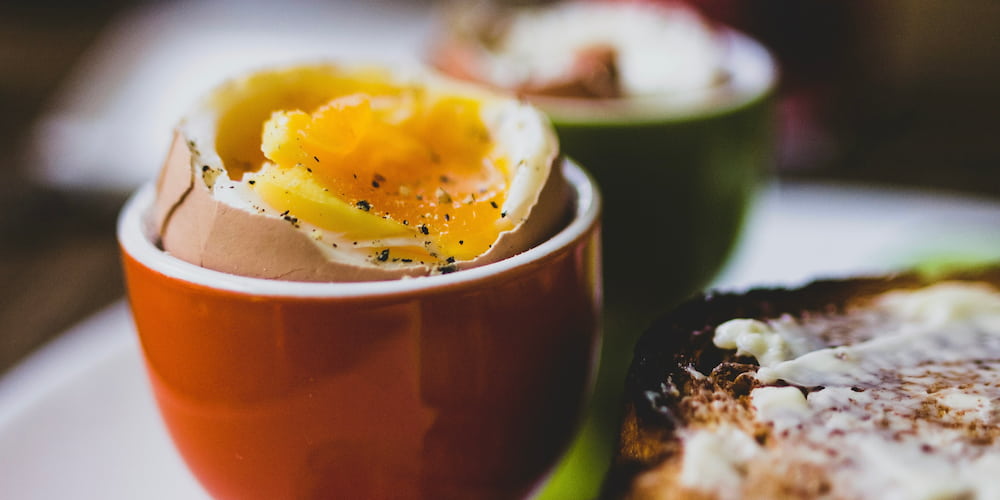
Soft-boiled eggs seem simple, but keeping the yolk runny and the white firm comes down to a minute or two. This article explains how long to boil soft-boiled eggs and which methods work best. The timer on this page will help you cook them the way you like, whether for breakfast, as a salad topping, or as a standalone dish.
Prefer a firmer yolk or a delicate poach instead? See how long to boil hard-boiled eggs and how long to poach an egg.
How long should you boil eggs?
The table below gives the cooking times for different levels of doneness. Start the timer from the moment the water begins to boil. Set the timer on this page to the time for the yolk you want; you can set it down to the second.
| Cooking Time (Minutes) | Degree of Doneness |
|---|---|
| 3 minutes | Soft-boiled with a runny yolk |
| 4 minutes | Soft-boiled with a slightly firmer yolk |
| 5 minutes | Medium-soft boiled with a creamy yolk |
| 6 minutes | Medium-boiled with a slightly firmer yolk |
| 7 minutes | Medium-boiled with an almost set yolk |
| 9 minutes | Hard-boiled with a creamy yolk |
| 10 minutes | Hard-boiled with a tender yolk |
| 12 minutes | Fully hard-boiled with a firm yolk |
Different methods for cooking boiled eggs
Here's how to prepare eggs and cook them on the stove or in a multicooker, why not to use the microwave, why it helps to add salt, and why to cool eggs after cooking.
Preparation Recommendations
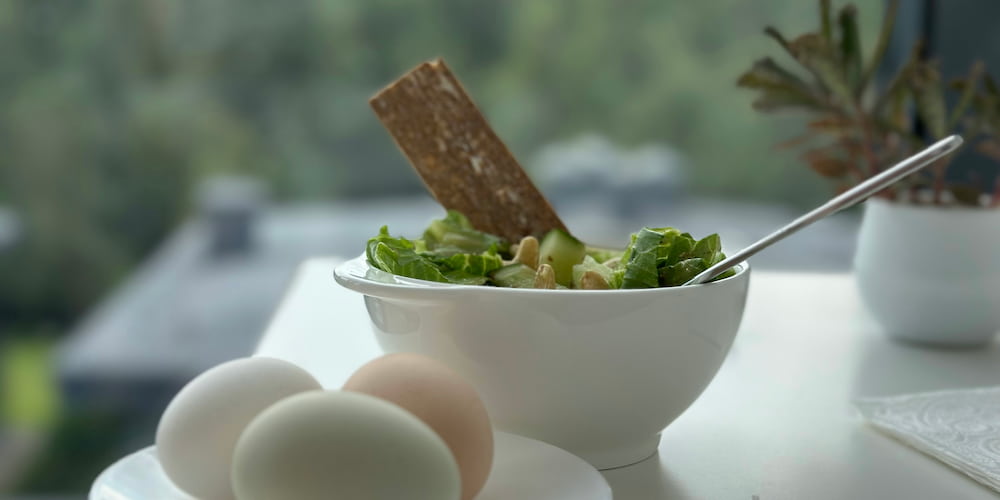
Before boiling, rinse the eggs under cold water to remove any impurities. Place the eggs in your chosen container and add enough water to fully cover them. Adding a bit of salt to the water helps prevent the shells from cracking and makes peeling easier later. After cooking, it is recommended to transfer the eggs to cold water to stop the cooking process and facilitate peeling.
- On the Stove:
Place the eggs in a saucepan filled with cold water and add a pinch of salt. Set the pan over medium heat and bring the water to a boil. Once boiling, reduce the heat and cook the eggs for the desired amount of time based on your preferred level of doneness. After cooking, transfer the eggs to cold water to stop the cooking process.
- Passive Cooking Method:
Bring the water with the eggs to a boil, then turn off the heat and cover the pot. Let the eggs sit in the hot water for 10-12 minutes. The eggs will continue to cook in the residual heat, which can result in a softer white and a less firm yolk. After the time has elapsed, place the eggs in cold water to stop the cooking process.
- In a Multicooker:
Place the eggs in a steaming basket or directly in the bottom of the multicooker, adding a small amount of water. Select the “Steam” or “Cook” mode and set the timer for 5-10 minutes, depending on your desired level of doneness. Once cooked, transfer the eggs to cold water to stop the cooking process.
- In the Microwave:
Don't microwave eggs in the shell, even in a mug of water: steam builds up faster than it can escape, and the egg can burst, sometimes after you take it out. Use the stove or a multicooker instead, or a dedicated microwave egg cooker according to its instructions.
Fact
Did you know that hard-boiled eggs can be stored in the fridge for up to a week and retain all their beneficial properties? However, to retain maximum benefits, it is best to consume them within the first three days of cooking.
Useful Tips and Hacks for Boiling Eggs
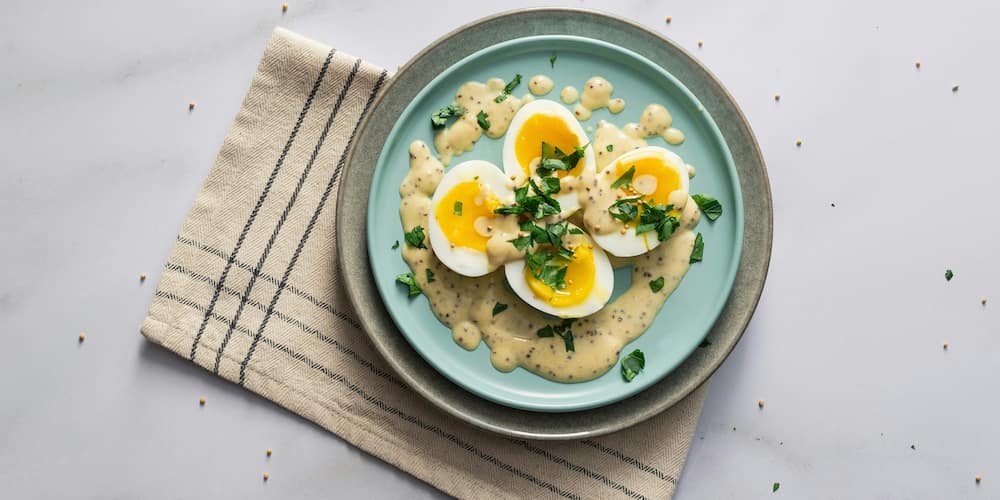
A few practical tips to make boiling eggs easier.
- Easy Peeling:
To make peeling boiled eggs easier, add a teaspoon of baking soda to the boiling water. The baking soda increases the pH level of the water, which helps to loosen the egg whites from the shell. Another tip is to use slightly older eggs rather than fresh ones, as they are easier to peel.
- Cooking Quail Eggs:
Quail eggs cook quickly. For soft-boiled quail eggs, place them in boiling water for 2-3 minutes. For hard-boiled quail eggs, cook them for 4-5 minutes. Due to their delicate nature, it is best to place them in cold water immediately after boiling to prevent overcooking.
- Storing Boiled Eggs:
Boiled eggs can be stored in the refrigerator for up to one week. If you plan to keep them for more than a couple of days, it’s best to leave the shells on to prevent them from drying out. Store them in a covered container to maintain freshness. If you’ve peeled them, place a damp paper towel in the container to keep the eggs from drying out.
- Preventing Cracks:
To prevent eggs from cracking while boiling, start with eggs at room temperature and add them to the water gently. Another effective method is to use a pin to make a small hole in the rounded end of each egg before boiling. This can help to release pressure and prevent cracks.
Common Questions
Answers to common questions about boiling eggs.
How long do you boil a soft-boiled egg?
Boil soft-boiled eggs for 3-5 minutes: 3 minutes gives a runny yolk and 5 minutes a creamy one, with a set white.
What is the best way to store hard-boiled eggs?
Hard-boiled eggs can be stored in the refrigerator for up to one week. It's best to keep them in their shells to maintain freshness and prevent odors from penetrating.
What is the best way to cook soft-boiled eggs?
Boil them for 3-5 minutes, then transfer them to an ice bath immediately to stop the cooking process and make peeling easier.
Is it necessary to wash eggs before boiling?
Not strictly, but it's a good idea to rinse eggs under cold water before boiling to remove any surface dirt. Avoid washing them too much as it can remove the natural protective coating on the shell.
How can you test the freshness of eggs?
To test egg freshness, place them in a bowl of water. Fresh eggs will sink and lay flat on the bottom, while older eggs will stand upright or even float.
Can you boil eggs in the microwave?
Not in the shell: steam builds up inside and the egg can burst, even in a cup of water or after you take it out. Use the stove or a multicooker, or a dedicated microwave egg cooker according to its instructions.
What can you do to prevent eggs from cracking during boiling?
To prevent eggs from cracking, start with cold water and gradually heat it to boiling. Additionally, you can prick a small hole in the egg's shell before cooking to help prevent cracking.