How to Cook Scallops: Times and Methods
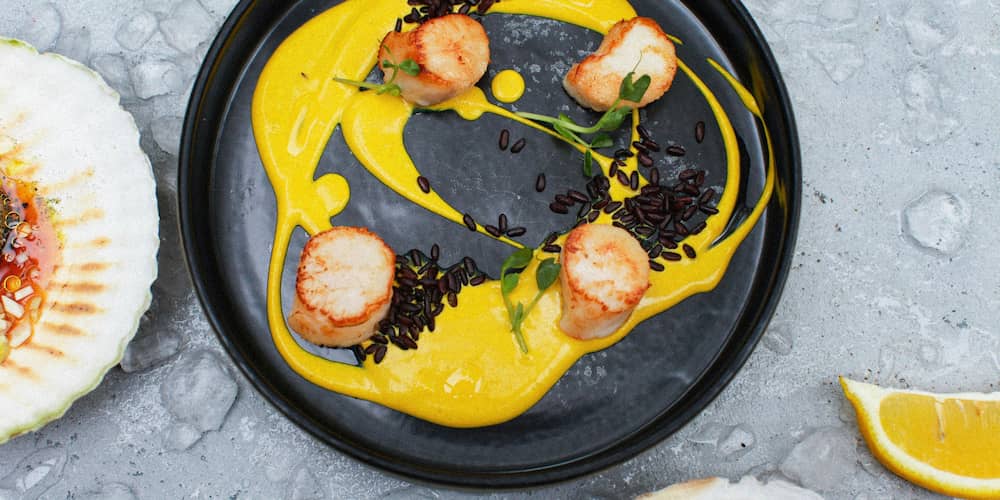
Scallops are prized for their delicate flavor and tender texture, but they cook in minutes and quickly turn rubbery. This guide gives the cooking times and methods for sea scallops.
For more seafood, see how long to boil shrimp and how long to cook salmon.
You'll find times for boiling, pan-searing, grilling, and baking, plus answers to common questions: whether you can boil scallops, how to clean them, and how healthy they are.
How Long to Cook Scallops?
Overcooking makes scallops rubbery, while undercooking may pose health risks. Here are the recommended times for each method. Set the timer on this page to the value from the table, down to the exact second if you like.
| Cooking Method | Cooking Time |
|---|---|
| Boiling | 3–4 minutes |
| Pan-Searing | 1.5–2 minutes per side |
| Grilling | 2–3 minutes per side |
| Baking | 10–12 minutes at 375°F (190°C) |
Tips and Tricks for Perfectly Cooked Scallops
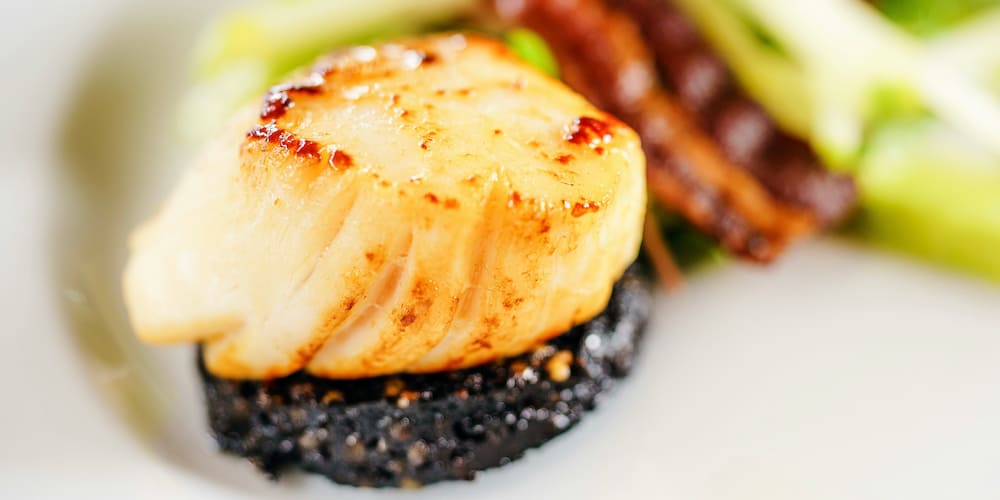
Beyond the right timing, a few simple techniques make a big difference.
- Choose Dry Scallops: Opt for "dry" scallops over "wet" ones. Dry scallops are not treated with phosphates, allowing them to sear better and develop a rich, caramelized crust. Wet scallops, soaked in a phosphate solution, can retain excess moisture, hindering proper searing.
- Pat Dry Before Cooking: Before cooking, thoroughly pat the scallops dry with paper towels. Removing surface moisture is crucial for achieving a good sear and preventing steaming.
- Use High Heat: High heat sears scallops quickly, so a golden-brown crust forms before the interior overcooks.
- Avoid Overcrowding the Pan: When pan-searing, ensure there's enough space between scallops. Overcrowding can lower the pan's temperature, leading to steaming rather than searing. Cook in batches if necessary to maintain optimal heat.
- Season Just Before Cooking: Season scallops with salt and pepper immediately before cooking. Salting too early draws out moisture, which makes a good sear harder.
- Monitor Cooking Time Closely: Scallops cook quickly, typically requiring only 1.5 to 2 minutes per side when pan-searing. Overcooking can result in a tough texture, so it's essential to monitor them closely and remove them from heat as soon as they are opaque and firm.
- Rest Before Serving: Allow scallops to rest for a minute after cooking. This lets the juices redistribute.

Fact
Did you know that scallops have up to 200 tiny blue eyes along the edge of their mantle? These eyes detect light and motion, helping scallops sense predators and navigate their environment.
Selecting and Preparing Scallops
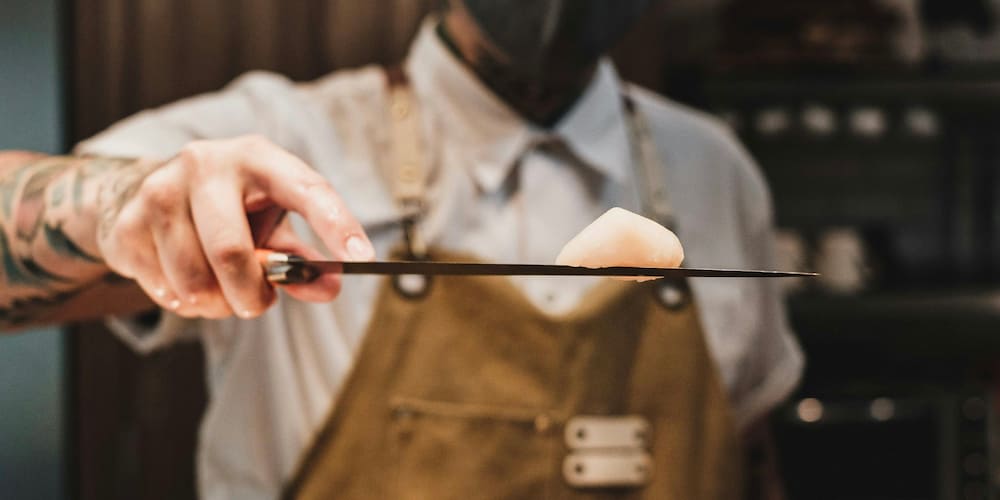
Here's how to pick fresh scallops and get them ready for cooking.
Choosing Fresh Scallops
- Opt for Dry-Packed Scallops: Dry-packed scallops are not treated with phosphates, allowing them to sear better and develop a rich, caramelized crust. Wet-packed scallops, soaked in a phosphate solution, can retain excess moisture, hindering proper searing.
- Check for Freshness: Fresh scallops should have a sweet, ocean-like aroma and appear slightly translucent. Avoid scallops with a strong fishy smell or those that look opaque, as these may indicate spoilage.
- Consider Size: Scallops come in various sizes, typically labeled as sea or bay scallops. Sea scallops are larger and suitable for searing, while bay scallops are smaller and often used in stews or salads.
Preparing Scallops for Cooking
- Remove the Side Muscle: Scallops have a small, tough muscle on the side. Gently peel it off before cooking, as it can be chewy.
- Rinse and Pat Dry: Rinse the scallops under cold water to remove any sand or debris. After rinsing, thoroughly pat them dry with paper towels to ensure a good sear during cooking.
- Season Appropriately: Season scallops with salt and pepper just before cooking. Avoid seasoning too early, as salt can draw out moisture, affecting the searing process.
Scallop Cooking FAQs
Answers to common questions about cooking scallops.
Can you cook scallops from frozen?
Yes, but it's better to thaw them first for even cooking and better texture. Leave them in the refrigerator overnight or, for a quicker method, put them under cold running water.
How do you know when scallops are done?
Scallops are done when they turn opaque and firm to the touch, with a golden-brown crust on the outside. Overcooking makes them tough, so watch them closely.
Are scallops healthy?
Yes, scallops are a healthy source of lean protein, low in fat, and rich in vitamins and minerals like B12, selenium, and zinc. They also contain omega-3 fatty acids, which are beneficial for heart health.
Can you boil scallops?
Yes, scallops can be boiled, but this method is less common as it may not enhance their natural sweetness and can lead to a rubbery texture. Pan-searing or grilling is often preferred for better flavor and texture.
How should you clean scallops before cooking?
Rinse scallops under cold water to remove any sand or debris, then pat them dry thoroughly with paper towels to ensure a good sear during cooking. Also remove the small side muscle, as it can be tough when cooked.
What is the best way to cook sea scallops?
Pan-searing is the best way: cook sea scallops in a hot skillet with oil or butter for about 1.5 to 2 minutes per side for a golden-brown crust and a tender interior.
Can you eat raw scallops?
Yes, raw scallops are often enjoyed in dishes like sushi and ceviche. However, it's crucial to ensure they are fresh and sourced from a reputable supplier to minimize the risk of foodborne illness.