How to cook salmon: a step-by-step guide
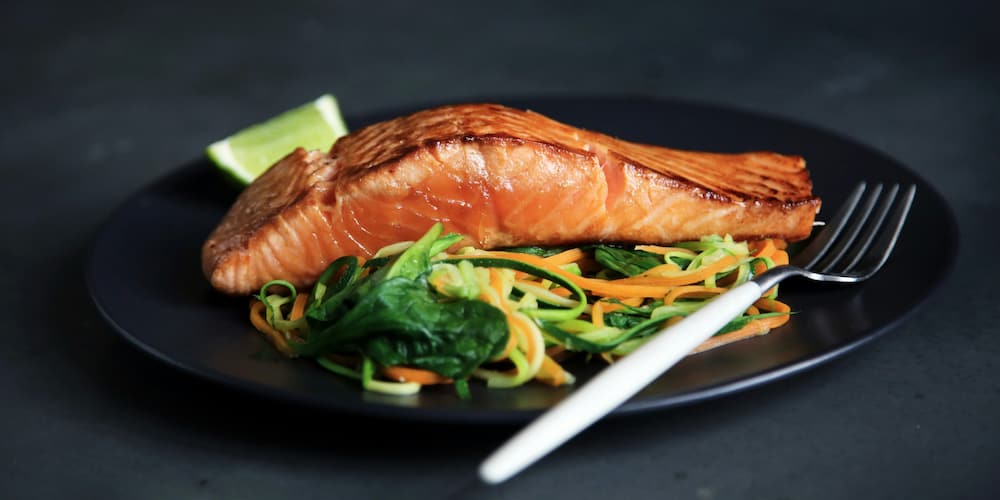
Salmon has a rich flavor and is easy to cook, but it dries out quickly if left on the heat too long.
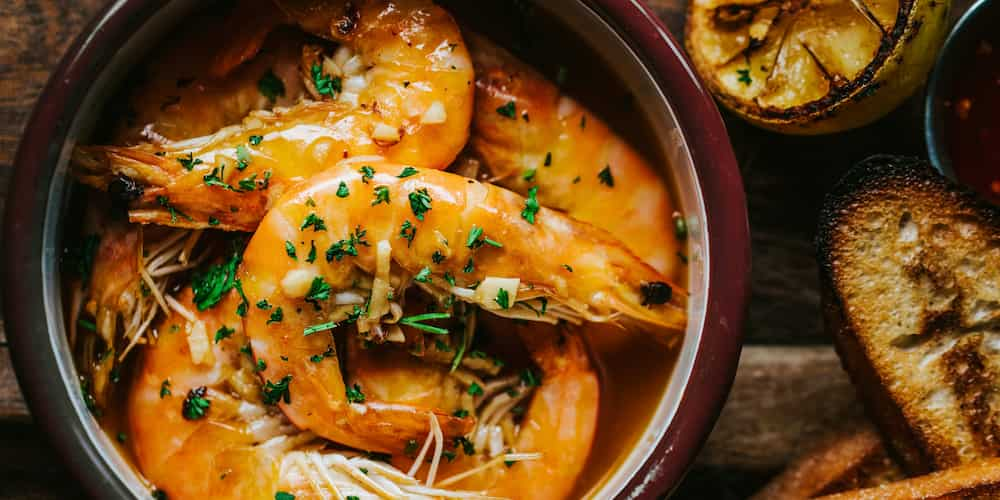
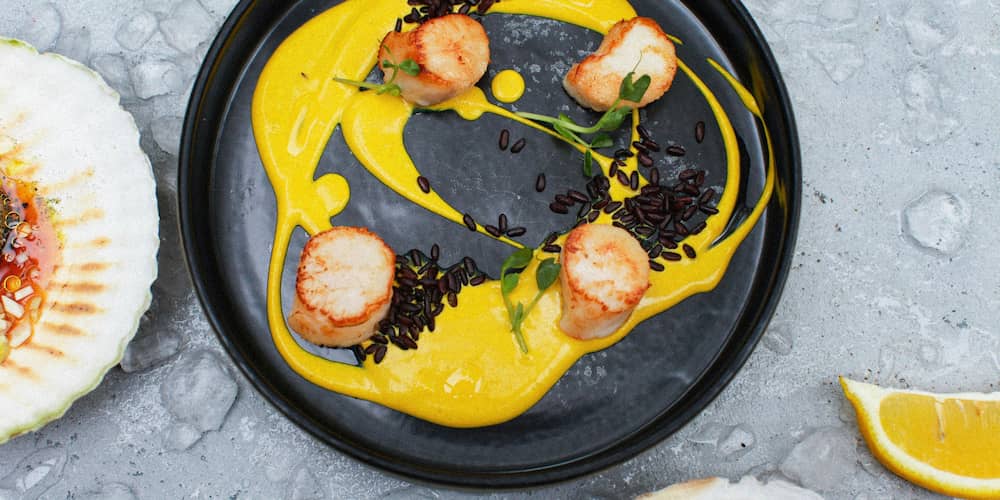
For more seafood, see how long to boil shrimp and how long to cook scallops.
This article covers cooking times, the main cooking methods, and how to tell when salmon is done.
Selecting and preparing salmon: tips for best results
Opt for fillets with vibrant, moist flesh and a fresh, mild scent. Avoid any fish with discoloration or a strong, fishy odor, as these are signs of spoilage. When possible, select wild-caught salmon for its rich flavor.
If frozen, thaw it in the refrigerator overnight to preserve its texture. Pat the fillets dry with paper towels to remove excess moisture, which helps achieve a better sear. Season the salmon with salt, pepper, and your preferred herbs or marinades to enhance its natural flavors.
- Inspect the salmon for any remaining pin bones and remove them with tweezers.
- Let the salmon sit at room temperature for 15-20 minutes before cooking so it cooks more evenly.
- Use a sharp knife to score the skin lightly, preventing it from curling during cooking.
Top cooking methods for salmon
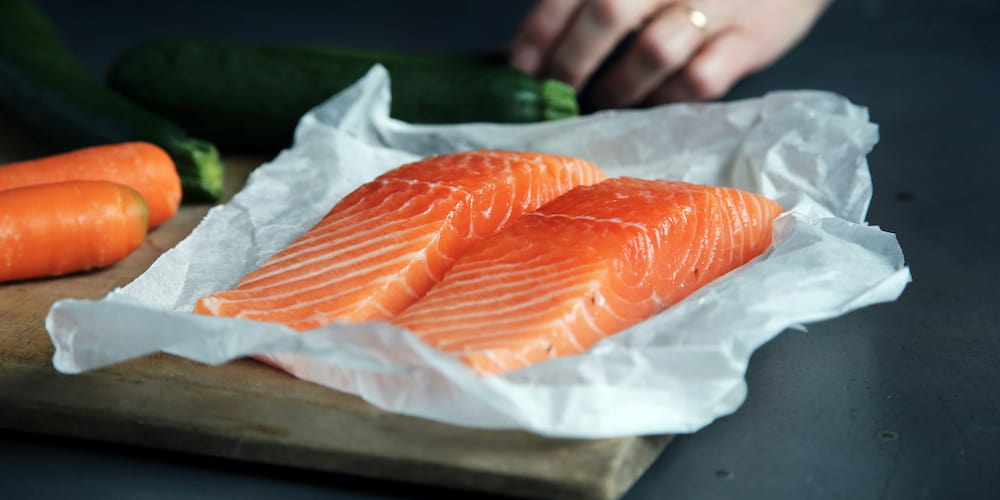
Each method gives salmon a different flavor and texture.
1. Baking
Baking salmon in the oven is a straightforward method that ensures even cooking. Preheat your oven to 375°F (190°C), place the seasoned fillet on a lined baking sheet, and cook for approximately 12-15 minutes, depending on thickness. This technique preserves moisture and is ideal for infusing flavors through marinades or herbs.
2. Pan-Searing
Pan-searing delivers a crispy exterior while keeping the interior tender. Heat a tablespoon of oil in a skillet over medium-high heat. Place the salmon skin-side down and cook for about 4 minutes, then flip and cook for an additional 3 minutes. This method is quick and enhances the fish's natural flavors.
3. Grilling
Grilling imparts a smoky flavor to the salmon. Preheat the grill to medium-high heat and oil the grates to prevent sticking. Grill the salmon for 4-5 minutes per side. This method is excellent for summer meals and adds a charred texture to the fish.
4. Poaching
Poaching involves gently cooking the salmon in simmering liquid, such as broth or seasoned water. This technique results in a delicate, moist texture and is perfect for light, healthy dishes.
Cooking time guide for salmon
Overcooking can lead to dryness, while undercooking may result in a raw center. The following table provides general guidelines for various cooking methods and thicknesses.
| Cooking Method | Temperature | Time per Inch of Thickness |
|---|---|---|
| Baking | 375°F (190°C) | 12-15 minutes |
| Pan-Searing | Medium-High Heat | 3-4 minutes per side |
| Grilling | Medium-High Heat | 4-5 minutes per side |
| Poaching | Simmering Liquid | 10-15 minutes |
Set the timer on this page to the time for your method. Adjust it based on the thickness of your salmon and your preferred level of doneness.
Essential tips and recommendations for cooking salmon
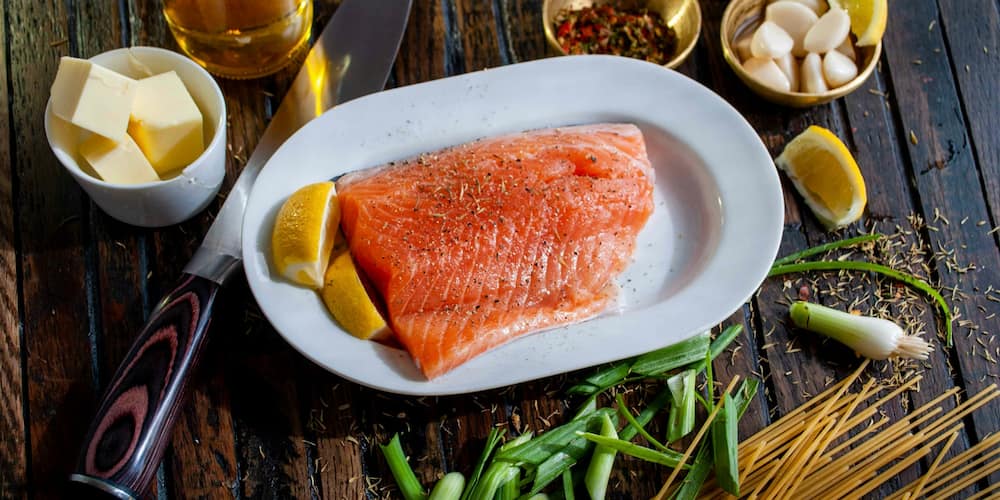
Check the internal temperature with an instant-read thermometer inserted into the thickest part of the fillet. The USDA-recommended safe temperature is 145°F (63°C). Many cooks stop at 120°F (49°C) for medium-rare or 130°F (54°C) for medium, but these are below that guideline.
Letting salmon sit at room temperature for 15-20 minutes before cooking helps it cook evenly and stay juicy.
When storing leftover cooked salmon, place it in an airtight container and refrigerate promptly. Eat it within 2-3 days.
- For a crispy skin, pat the salmon dry before cooking and avoid moving it in the pan until the skin releases naturally.
- Marinate the salmon for 30 minutes to infuse additional flavors, but avoid over-marinating to prevent a mushy texture.
- Use a fish spatula for flipping to maintain the fillet's integrity.
- Season the fish just before cooking to prevent drawing out moisture.
- Allow the salmon to rest for a few minutes after cooking to let the juices redistribute.

Fact
Salmon are known for their incredible migratory journey, traveling thousands of miles from the ocean back to their birthplace in freshwater streams to spawn. This remarkable navigation is believed to be guided by the Earth's magnetic field and their keen sense of smell.
FAQ: Cooking salmon
Answers to common questions about cooking salmon.
How can I tell when my salmon is done?
Salmon is done when it flakes easily with a fork and reaches 145°F (63°C), the USDA-recommended safe temperature. Many cooks prefer to stop at 120°F (49°C) for medium-rare or 130°F (54°C) for medium.
Should I cook salmon with the skin on or off?
Cook it with the skin on: this helps retain moisture and adds flavor, and you can remove the skin after cooking if you like.
Is it necessary to marinate salmon before cooking?
No, marinating is optional. A simple seasoning of salt and pepper works well.
Can I cook salmon straight from frozen?
Yes, but thawing it in the refrigerator first gives more even cooking and a better texture.
How long can I store cooked salmon in the refrigerator?
Cooked salmon keeps for 2-3 days in an airtight container in the refrigerator.
What are common mistakes when cooking salmon?
The most common mistakes are overcooking, not patting the fish dry before cooking, and using too much heat, all of which lead to dry or unevenly cooked salmon.
What is poaching, and how does it affect the flavor of salmon?
Poaching is a gentle cooking method where salmon is submerged in liquid just below boiling point. It gives the fish a delicate flavor and lets it take on the taste of the liquid.