How to cook pasta properly and how long does it take?
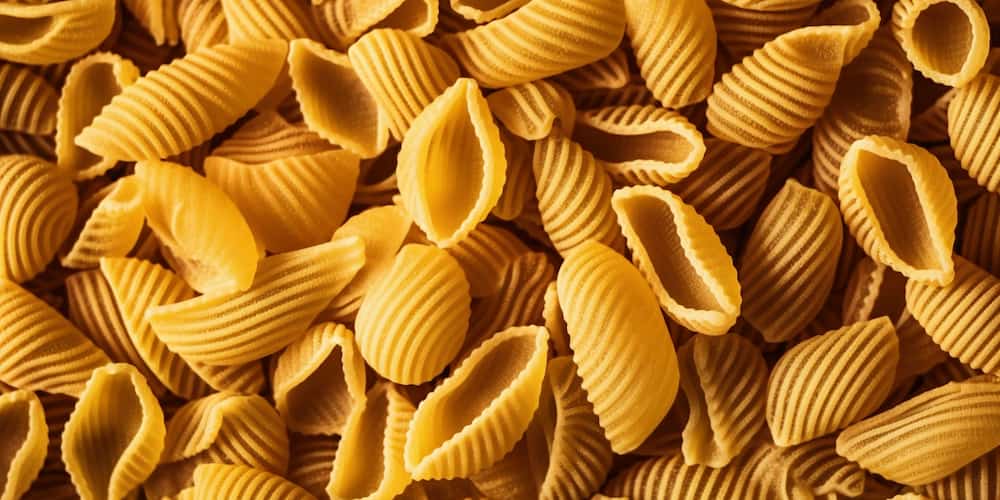
Pasta is a versatile dish that pairs wonderfully with a wide range of ingredients, whether it's meat, fish, chicken, mushrooms or a variety of sauces. Its simplicity makes pasta an ideal choice for a quick and hearty lunch or dinner. However, to achieve the perfect texture, it's important to know the exact cooking time for each type of pasta. In this article we'll take a detailed look at how long to cook different kinds of pasta and how to do it right so they don't stick together and keep their shape. And our handy timer on the page will help you set the time precisely and track the cooking process for the best possible result.
How long to cook pasta in boiling water?
On average, pasta cooks in 7 to 12 minutes, depending on its shape and thickness. The cooking time starts from the moment the pasta is dropped into already boiling and salted water. It's best to follow the recommendations printed by the manufacturer on the package, since they account for the specifics of that particular type of pasta.
| Pasta type | Time until done (minutes) |
|---|---|
| Spaghetti | 8-10 minutes |
| Fettuccine | 9-11 minutes |
| Elbow macaroni | 7-9 minutes |
| Conchiglie (shells) | 10-12 minutes |
| Farfalle (bow-tie) | 11-13 minutes |
| Fusilli (spirals) | 9-11 minutes |
| Penne | 10-12 minutes |
If you want to cook pasta "al dente", subtract 2 minutes from the cooking time given for the type you need. Our timer on the page is easy to adapt to any kind of pasta — just pick the time from the table and set the value in the timer, and you can do this without going into the settings menu, right in the timer interface on the page. And if you want to fine-tune the cooking time more precisely, you can set any value of your own to achieve the perfect result.
How to choose pasta correctly?
The main rule when choosing pasta is to pay attention to its composition. Pasta made from durum wheat is considered the highest quality. It contains more protein and nutrients, and also holds its shape better during cooking. Such pasta doesn't turn to mush and stays firm, which is especially important for cooking "al dente" dishes. In contrast, pasta made from soft wheat has lower nutritional value and easily overcooks, losing its texture and flavor.
It's also important to pay attention to the appearance of the pasta. Quality pasta should be intact and have no crumbs at the bottom of the package. This shows that the product is well packaged and was transported without damage. The color of the pasta also matters — it should be even, with a golden hue, which indicates proper production technology and the use of durum wheat.
Tips and life hacks for cooking pasta
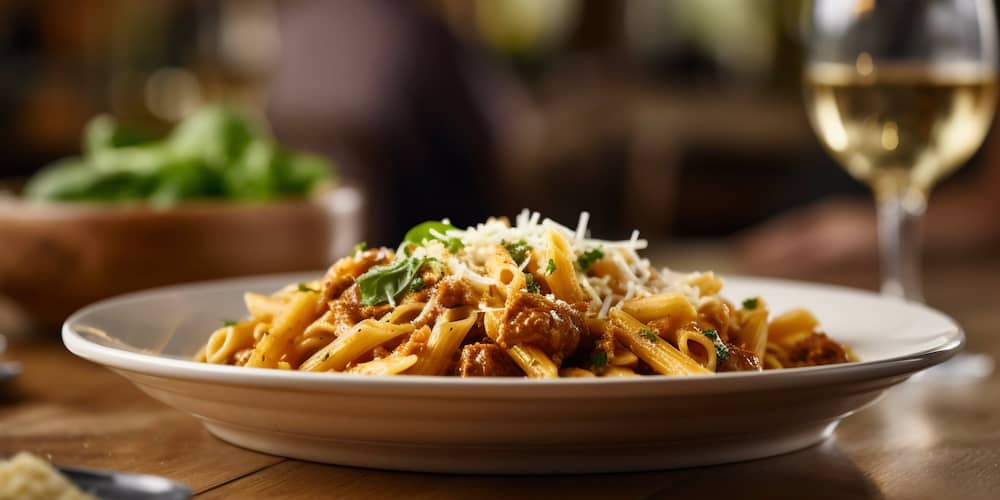
To cook pasta perfectly, it's important to keep a few nuances in mind. Even a process as simple as boiling pasta can become an art if you know a few secrets and useful tips. Below are recommendations that will help improve the cooking process and get the best result.
- How to cook pasta al dente. Al dente is the level of doneness at which pasta stays slightly firm and doesn't overcook, a little firm to the bite. To achieve this result, reduce the cooking time recommended on the package by 2-3 minutes.
- How to keep pasta from sticking together. To keep pasta from sticking, add one tablespoon of vegetable oil to the boiling water and stir the pasta well right after dropping it in. It's also important to cook pasta in a large amount of water — for 100 grams of pasta you need about a liter of water.
- Should you rinse pasta after cooking? Rinsing pasta is recommended only if you plan to use it in a salad or a cold dish. For hot dishes and pasta with sauce, there's no need to rinse it, since the starch on its surface helps it absorb the sauce better.
- How to salt pasta. Add salt to the boiling water before dropping in the pasta. For 1 liter of water you'll need about 1 teaspoon of salt.
- Choosing a pot and the amount of water. Use a large pot and plenty of water so the pasta can be stirred freely. This helps keep it from sticking and lets it cook evenly.
- Adding sauce. It's best to add the sauce to the pasta right after draining the water, while it's still hot. This lets the pasta absorb the flavor of the sauce and makes the dish richer.
- Storing cooked pasta. If you don't plan to serve the pasta right away, add a little olive oil and stir it to prevent sticking during storage.
Fact
According to some sources, pasta appeared as far back as Ancient China around 4000 years ago, long before it spread to Italy. The Italians made it popular all over the world, but originally this food was known in Asia.
Frequently asked questions about cooking pasta
Cooking pasta is a simple process, but it does require accounting for a few nuances. In this section we'll answer popular questions about cooking pasta so you can achieve the perfect result.
Should you drop pasta into boiling water or cold water?
Pasta should always be dropped into boiling and salted water so it starts cooking quickly and keeps its texture.
What is al dente pasta?
Al dente is the level of doneness at which pasta stays a little firm to the bite. To achieve this, cook the pasta 2-3 minutes less than the time indicated on the package.
Should you rinse pasta after cooking?
There's no need to rinse pasta after cooking if you use a high-quality product. Rinsing washes away the starch that helps pasta absorb sauce better.
How do you cook pasta so it doesn't stick together?
Add one tablespoon of oil to the boiling water and stir the pasta well right after dropping it in. Also use plenty of water so the pasta can be stirred freely.
How much water do you need to cook pasta?
For 100 grams of pasta you need about 1 liter of water. This lets the pasta cook evenly and keeps it from sticking together while cooking.
Can you use the water after cooking pasta?
Yes, the water left after cooking pasta can be used to make a sauce. It contains starch that helps thicken the sauce and improve its consistency.